

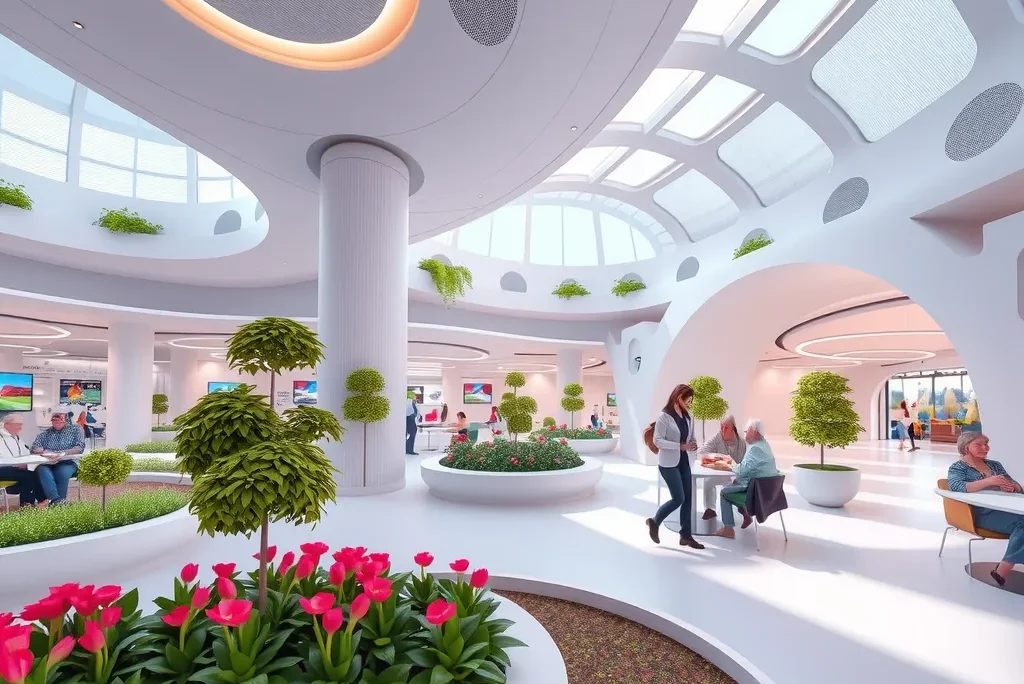
Integrating 3D Design in Elderly Care Facilities: Transforming Senior Living
As the elderly population grows, delivering innovative, effective caregiving is crucial. One powerful approach is integrating
3D design
into elderly care facilities to reshape how care is provided and experienced. Using advanced
3D modeling
, facilities can improve both function and appearance of senior living spaces. Beyond aesthetics, 3D tools turn abstract blueprints into vivid simulations, clarifying how each choice affects daily life for residents and staff. Teams can test staffing workflows, supervision sightlines, and the placement of nurse stations or therapy rooms before any physical change. Virtual walkthroughs let families and residents preview environments, easing anxiety and building trust. Amid rising demand, tight budgets, and complex regulations, 3D design offers a practical, data-informed path to smarter investments and more compassionate settings.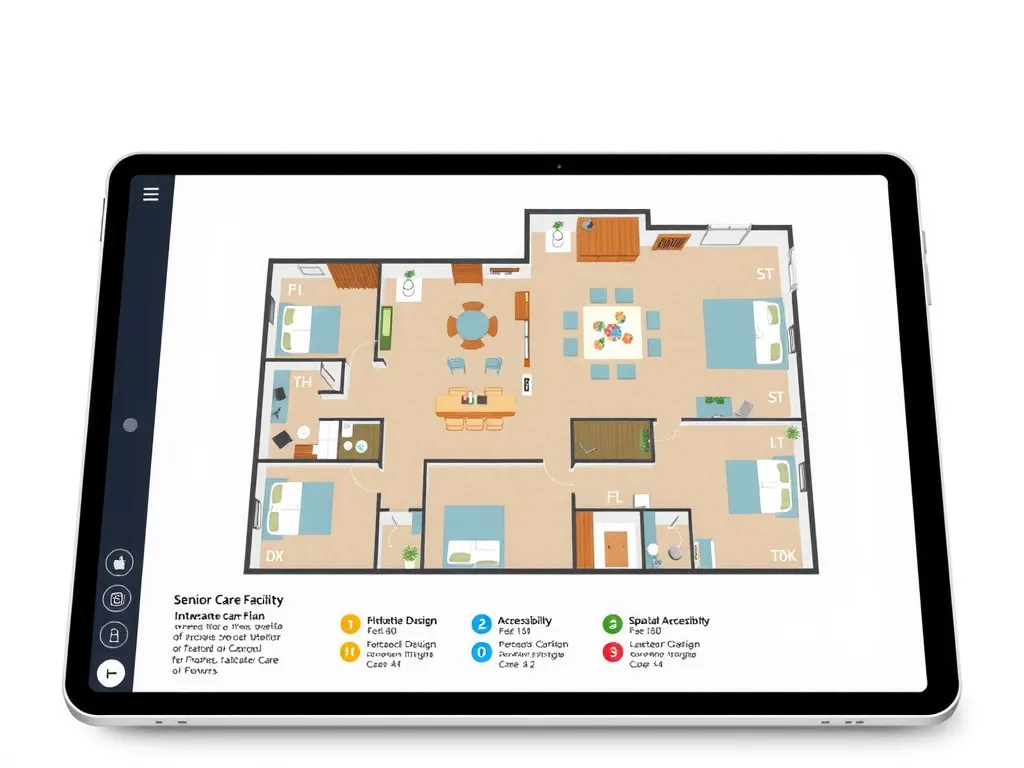
Understanding the Role of 3D Design in Elderly Care
3D design involves creating and manipulating digital three-dimensional models. In senior care, it helps shape environments that support older adults’ unique needs. Teams can visualize spaces from the perspective of someone with mobility challenges or dementia, ensuring proposals meet real-world requirements. With building information modeling (BIM) and parametric tools, they assess reach ranges for wheelchair users, staff lines of sight, and daylighting’s impact on circadian rhythms. Designers prototype wayfinding cues—color contrast, signage, and lighting transitions—to support residents with low vision or memory loss. Because the models are interactive, multidisciplinary teams iterate quickly, aligning clinical priorities, maintenance, and resident preferences in a single shared view.
Enhancing Safety and Accessibility with 3D Models
Safety and accessibility are vital in elderly care environments. 3D design enables precise planning and early adjustments that reduce accidents and improve mobility. Facilities can test arrangements of furniture, lighting, and pathways to optimize safety before construction, saving time and cost. Simulations reveal pinch points for walkers or wheelchairs, highlight glare that might disorient residents, and validate placement of grab bars, handrails, and call buttons. Teams can trial bathroom layouts that minimize slips, confirm flush thresholds for fall prevention, and explore nighttime lighting that guides without overstimulation. Even emergency egress can be rehearsed virtually to ensure clear routes and legible signage during low light or high stress. These insights cut change orders and translate into safer, more confidence‑building spaces.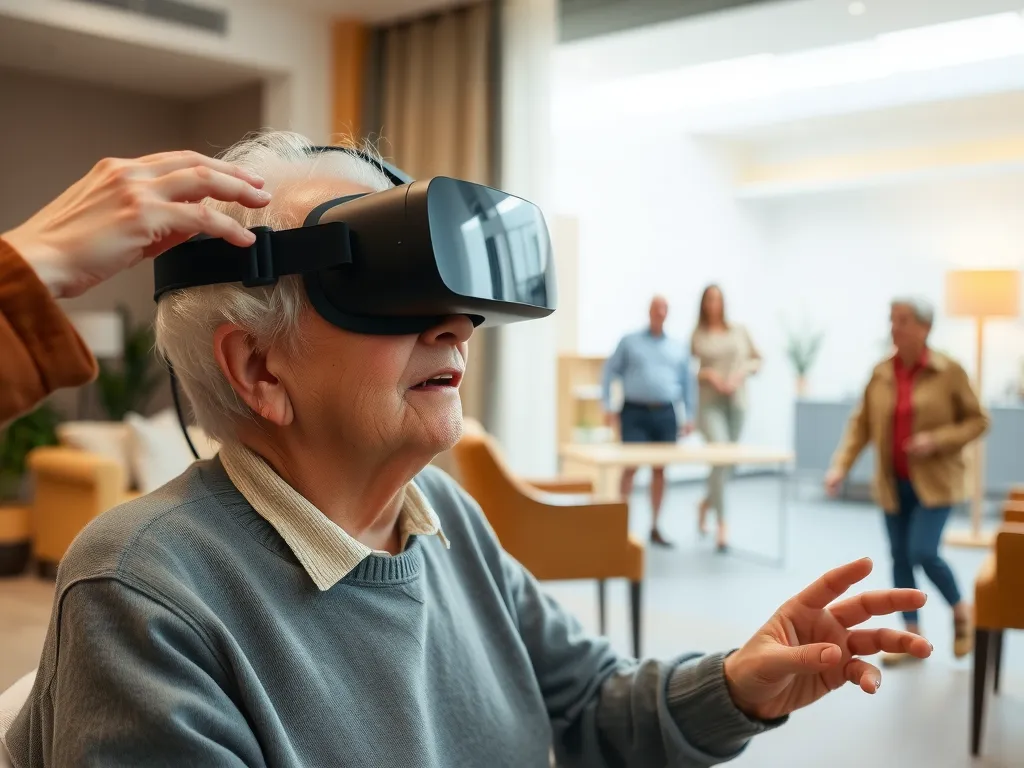
Customizing Living Spaces to Individual Needs
Elder care is not one-size-fits-all. 3D design lets teams customize environments to individual needs and preferences, greatly enhancing satisfaction and quality of life. Virtual models can personalize living quarters with familiar layouts, easing the stress of adapting to new surroundings. Designers can test furniture for couples, incorporate treasured possessions while maintaining clear mobility paths, and add acoustic treatments for residents sensitive to noise. Color palettes and visual cues can reflect cultural preferences or support memory recall, and flexible storage can reduce clutter. Because options are previewed realistically, residents and families engage meaningfully in choices about privacy, socialization, and daily routines. The same models support aging in place by guiding phased changes—like adding assistive technology or reconfiguring a bathroom—without disrupting a resident’s sense of home.
Improving Cognitive Engagement and Well-Being
3D design can also boost cognitive engagement. Immersive simulations stimulate mental activity and participation, potentially slowing cognitive decline. Interactive elements—virtual nature walks or familiar neighborhood scenes—provide stimulation and enjoyment. Experiences can be calibrated to individual tolerance, offering gentle, predictable stimuli for some and more interactive challenges for others. Spaces can be modeled to balance active and quiet zones, supporting therapeutic activities from reminiscence to guided movement and music. Emerging evidence suggests thoughtfully designed sensory environments may reduce agitation and improve sleep; 3D tools help teams prototype these conditions before implementation. Staff can even rehearse programming within a virtual version of the space, ensuring sightlines, equipment placement, and seating support safe participation.
Case Study: A Successful Implementation
Consider a senior living community in Canada that used 3D design to rethink care. The team built simulations of daily scenarios to train staff and anticipate residents’ responses to new arrangements, improving efficiency and quality of life. After practicing in simulated bathrooms and bedrooms with accurate dimensions, staff reported greater confidence assisting with transfers. Virtual mock‑ups also enabled co‑design of wayfinding with residents and families, refining color contrasts and artwork that supported orientation and reduced stress. Phasing plans were tested to minimize disruption during renovations, allowing services to continue. When construction began, stakeholders shared a clear picture of the end state, leading to fewer design changes, faster onboarding, and a smoother transition for residents.
The Future of Elderly Care Facilities with 3D Design
The integration of 3D design in elderly care is gaining momentum. As technology evolves, care environments will become more dynamic, responsive, and personalized. Digital twins may pair real‑time building data—temperature, occupancy, lighting—with 3D models to continuously optimize comfort and safety. Advances in artificial intelligence could propose layouts that balance clinical guidelines with resident preferences, while affordable headsets and tablets make immersive reviews accessible to more families. Growing interoperability will help providers, architects, and vendors collaborate efficiently, and sustainability modeling can align wellbeing with energy performance. Equally important, staff training and ethical safeguards must ensure tools are inclusive, protect privacy, and remain grounded in person‑centered care.
For elderly care facilities seeking to innovate,
recognizing
the advantages of 3D design is essential. It aligns with current technological trends and meets the immediate and future needs of an aging population. A practical starting point is a small pilot—redesigning a resident room or activity area—paired with clear metrics like reduced falls, higher satisfaction, or faster response times. Collaborate with experienced partners and pursue grants or innovation funds to offset upfront costs. Just as important is change management: engage residents, families, and frontline staff early, invite feedback through virtual walkthroughs, and iterate quickly based on what you learn. This approach builds momentum, de‑risks larger projects, and demonstrates outcomes that justify broader adoption.
Conclusion
In summary, applying 3D design in elderly care facilities offers significant benefits for safety, personalization, and cognitive engagement. Embracing these innovations is key to high‑quality care and improved wellbeing. By staying ahead of design trends and integrating practical technological solutions, caregivers can redefine what it means to age gracefully and comfortably. The most successful implementations pair cutting‑edge tools with deep empathy, inviting residents and families into the process and validating choices through realistic simulations. Start small, learn quickly, and scale what works; over time, a thoughtful 3D strategy becomes a durable foundation for compassionate, efficient, and dignified elder care.